.jpg)
Whether you are a golfer refining your swing, a runner chasing a new personal best, or an active adult juggling the demands of daily life, pain is not just an annoyance. It is a roadblock to the things you love. You want a straight answer: how long until you are back to full speed?
At 417 Performance Chiropractic and Sports Rehabilitation, we understand that frustration. Rather than offering quick fixes, we build a strategic, individualized path back to performance. This is not about masking symptoms. It is about identifying the root cause of your pain and giving you a realistic framework for recovery.
Why Your Timeline Starts With the Root Cause
Before setting any real expectations, we need to understand what is actually happening in your body. A meaningful recovery timeline cannot be built on guesswork. It starts with a thorough evaluation of why your pain developed in the first place.
Your Initial Visit: Finding the Why Behind the Pain
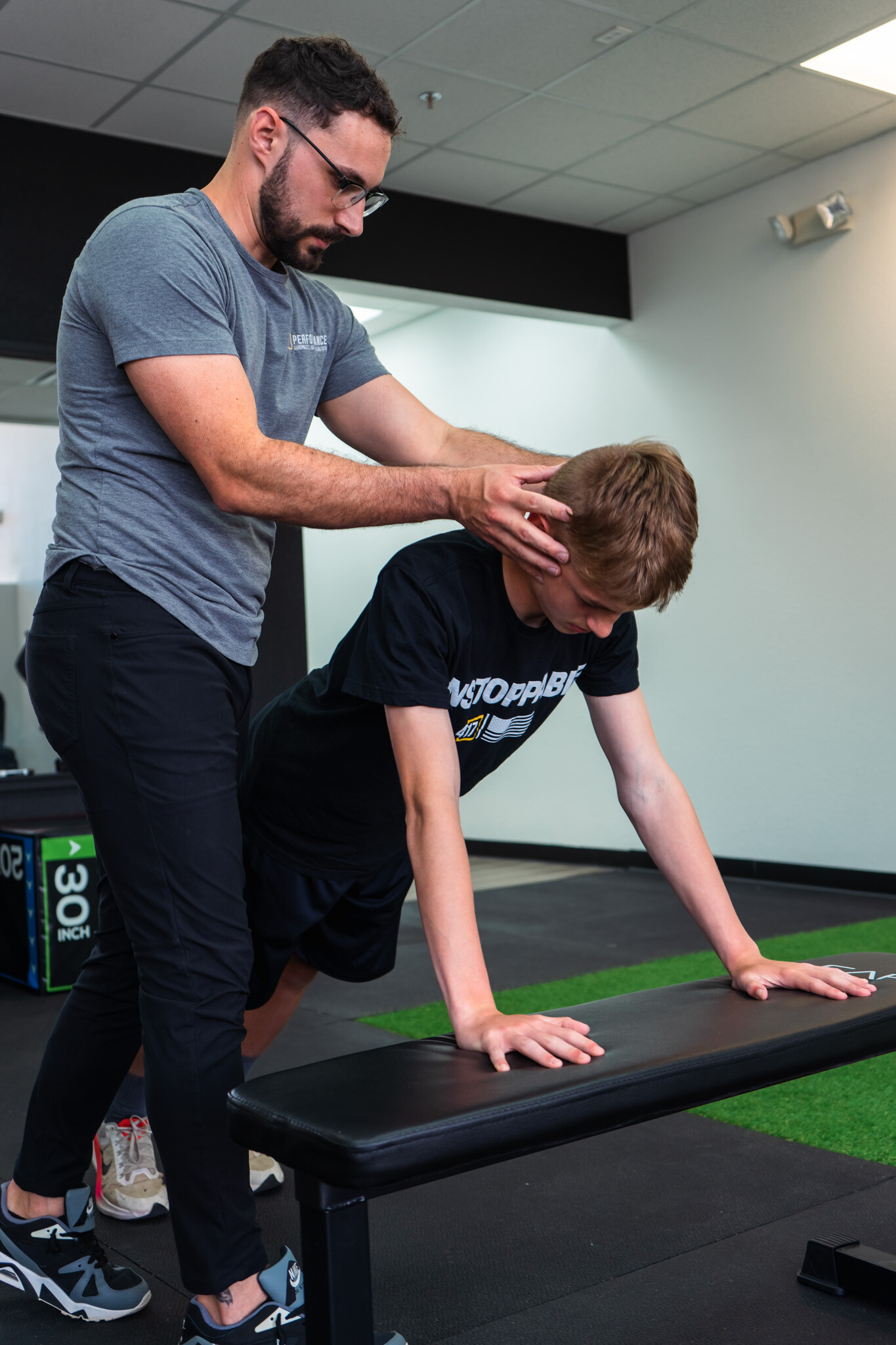
During your first visit, our team uses a Movement Screen and Functional Movement Assessment to pinpoint the imbalances and movement patterns contributing to your symptoms. Whether you are dealing with low back pain, sciatica, shoulder impingement, runner's knee, or golfer's elbow, this assessment becomes the foundation for your personalized recovery plan.
This diagnostic step is what allows us to give you an honest, individualized timeline rather than a generic estimate. We work with everyone from recreational athletes to competitive performers, and no two plans look the same.
Phase One: Calming Things Down and Restoring Movement
Once we understand the root cause, early care focuses on reducing pain and restoring mobility so your body can begin healing while you stay as active as possible.
Depending on what your body needs, this phase may include:
- Joint mobilization and manipulation to restore movement in restricted areas
- Dry needling and soft tissue mobilization for tight, restricted tissue
- IASTM/Graston and shockwave therapy (ESWT) to support tissue remodeling
- Manual therapy, myofascial release, cupping, and trigger point therapy to reduce tension and promote recovery
- Laser therapy (LLLT) to support tissue healing at the cellular level
Many patients notice meaningful relief within the first few visits. However, this is only the beginning of a larger plan built for lasting results.
Phase Two: Rebuilding Strength and Correcting the Dysfunction
Feeling better is a positive sign, but moving better is the real goal. Phase two targets the underlying weaknesses and movement dysfunctions identified during your initial assessment.Corrective Rehabilitation That Builds Lasting Resilience
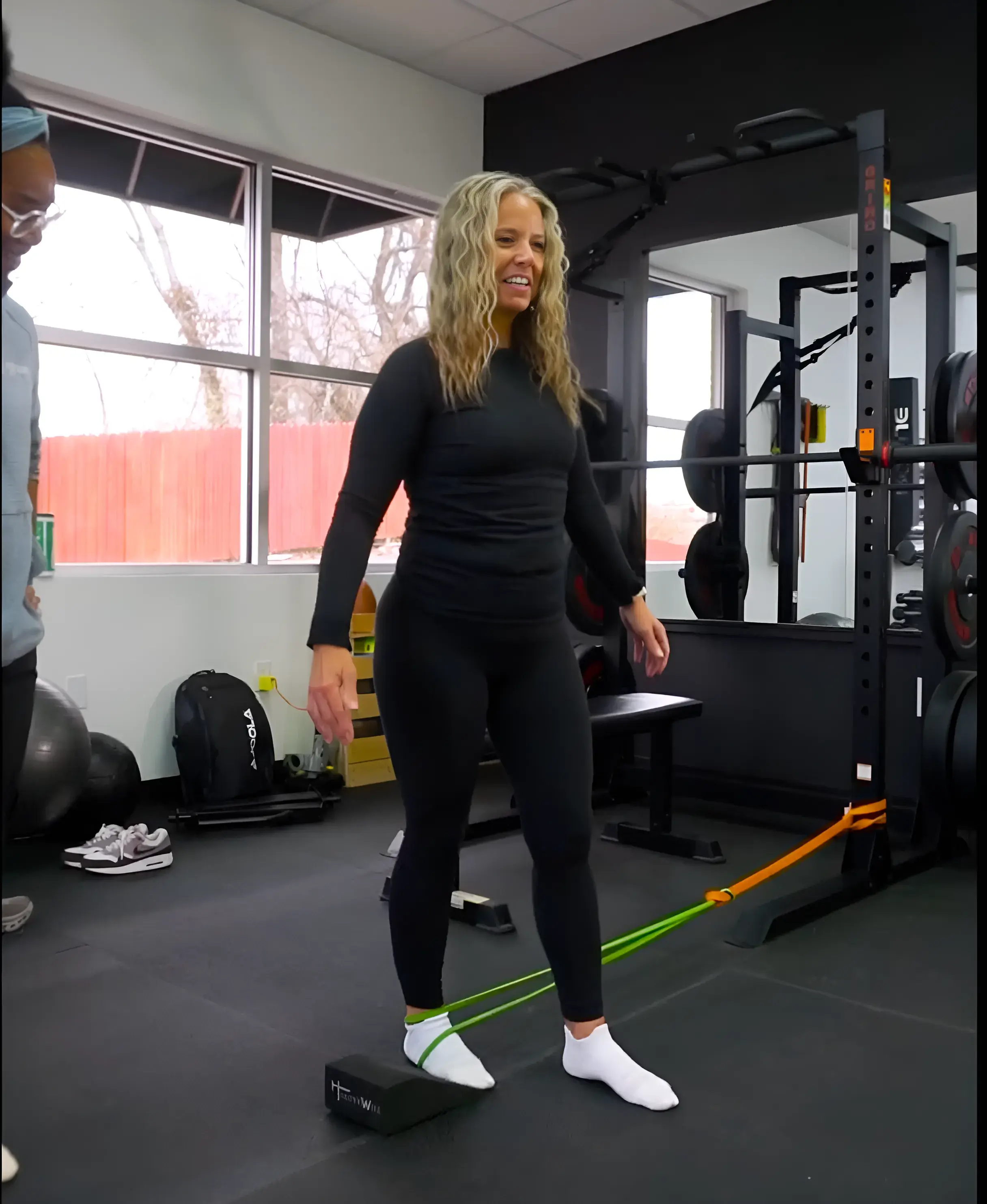
This phase integrates therapeutic exercise, neuromuscular re-education, and corrective movement work into your care plan. Whether you are working through a rotator cuff issue, hip impingement (FAI), IT band syndrome, or an ankle sprain, this phase emphasizes:
- Mobility and flexibility work to restore full range of motion
- Strength building through targeted, progressive exercise
- Balance and proprioception training to reduce re-injury risk
- Breathwork and diaphragmatic training to support movement quality
This is the bridge between simply feeling okay and confidently trusting your body again.
Phase Three: Returning to Sport and Performing at Your Best
This is the phase you have been working toward. Here, the focus shifts to preparing your body to safely return to your sport, stronger and more resilient than before.
From Recovery to Peak Performance
We use return-to-sport progressions, plyometrics, and sport-specific drills to close the gap between rehabilitation and full competition. Additional tools such as blood flow restriction (BFR) training, compression therapy, and taping may be incorporated to support strength and recovery along the way.
Whether you are returning to running after Achilles tendinopathy, getting back on the course after golfer's elbow, or managing a persistent overuse injury, this final phase is about building durable strength, improving posture, and restoring the mobility needed to perform at your best, not just the absence of pain.
For athletes focused on staying healthy long-term, this phase also connects naturally to prehab and injury prevention work, helping you get ahead of problems before they sideline you again.
Why Active Adults in Springfield, MO Trust 417 Performance Chiropractic and Sports Rehabilitation
Recovery is not one-size-fits-all, and your care should not be either. 417 Performance Chiropractic and Sports Rehabilitation combines hands-on sport chiropractic and evidence-based rehabilitation in a single visit, guided by providers with advanced training in movement assessment and sports performance.
Active adults across Springfield, MO trust this root-cause approach to get them back to what they love without being told to simply sit it out.
If you are ready to stop guessing and start building a real path to recovery, reach out to 417 Performance Chiropractic and Sports Rehabilitation today. Take advantage of a free phone consultation, ask your questions, and get a realistic, personalized timeline built specifically around your body and your goals.
.jpg)